Infant Safe Sleep Tips: A Guide for New Parents
February 12, 2026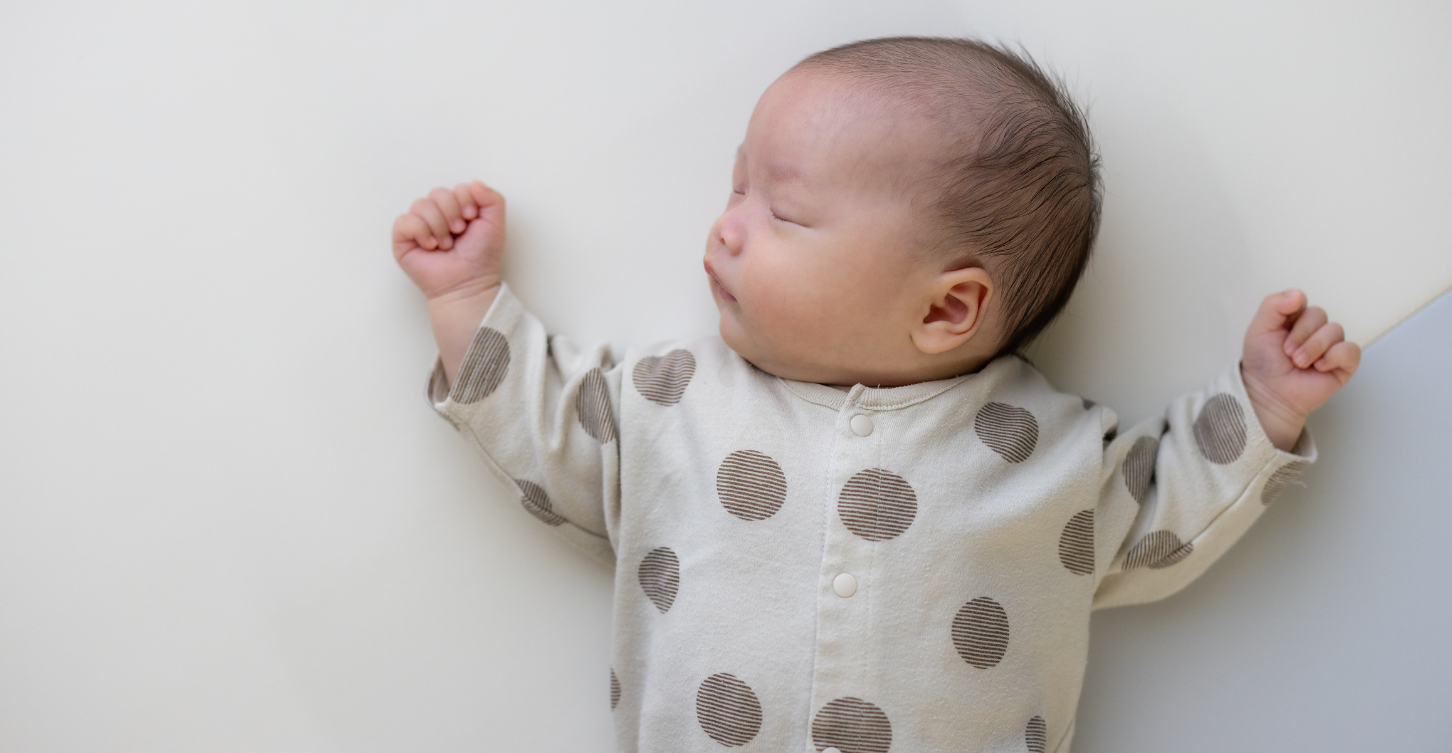
By: Tallahassee Memorial HealthCare
Categories: Healthy Living, Children, Pediatrics
Tags: Safe Sleep
Sudden Infant Death Syndrome (SIDS) is a heartbreaking reality, claiming the lives of over 3,500 infants in the United States every year. It is the number one cause of death in children under one year old.
In 2023, Florida reported more than 190 cases of SIDS caused by accidental suffocation and strangulation in the crib, nine of which occurred right here in the Big Bend Area. At Tallahassee Memorial HealthCare (TMH), we are committed to providing North Florida and South Georgia families with education to reduce these risks.
Practicing infant safe sleep helps protect your baby’s health and reduces the risk for SIDS. This includes creating a secure sleep environment and placing your baby in the correct sleep position.
How to Lower the Risk of SIDS
Some habits outside of bedtime practices increase or decrease the risk of SIDS.
- Don’t use substances: The use of alcohol, marijuana, opioids or illegal drugs by a parent increases the risk of SIDS, as these substances can impair the ability to care for an infant.
- Smoke-Free Environments: Secondhand smoke exposure increases the likelihood of illness and is linked to higher rates of SIDS.
- Regular Check-Ups: Regular well-baby checkups and vaccinations help reduce illness and lower the risk of SIDS.
- Breastfeeding: Breastfeeding is associated with up to a 50% reduction in SIDS risk. Aim to provide only human milk for at least six months, and up to one year if appropriate. Always consult your pediatrician to determine what is best for your infant. If you need help with breastfeeding, TMH offers lactation consultants to help parents and babies be successful.
Creating a Safe Infant Sleep Environment
The “ABCs of Safe Sleep” are the gold standard: Alone, on their Back, in a Crib.
The first step in infant safe sleep is ensuring your baby sleeps alone in their own sleep space.
- Keep toys, crib bumpers, blankets, and loose items out of the sleep area. These can cause choking or strangulation.
- Bed-sharing is not recommended. Instead, share a room with your baby while keeping them in a separate sleep space. Babies should never sleep in the same bed with adults, children, or other infants. Twins and multiples should sleep in separate beds.
- The sleep surface should be flat and firm, with a mattress designed specifically for the crib and no gaps between the mattress and crib sides.
Safe Sleep-Approved Infant Sleep Spaces
Safe sleep environments include:
- Cribs
- Bassinets
- Portable cribs
- Play yards
Car seats, strollers, infant carriers, and swings are not recommended for routine sleep. Sitting devices can block an infant’s airway and increase the risk of suffocation. If your baby falls asleep in one of these, move them to a safe sleep area as soon as possible.
Avoid using broken cribs or cribs with missing parts. The space between crib slats should be 2 3/8 inches or less to prevent your baby’s head from becoming trapped.
The Consumer Product Safety Commission (CPSC) maintains a database of recalled products. Always check your crib or infant sleep product brand before use.
Place your baby’s sleep area in a hazard-free location, away from windows, cords, wires, and window coverings to reduce strangulation risks.
How to Lay Your Infant Down to Sleep
- Keep the room at a comfortable temperature and dress your baby in light clothing to prevent overheating.
- Use a sleep sack or wearable blanket instead of loose blankets or hats.
- Always place your baby on their back for naps and nighttime sleep.
Swaddling Safety
If you choose to swaddle:
- Lay your baby on their back.
- Ensure the swaddle is snug but not too tight.
- Stop swaddling once your baby shows signs of rolling over, which can happen as early as two months. Rolling while swaddled significantly increases suffocation risk.
Awake-Time Positioning for Healthy Development
When your baby is awake, change their position frequently to promote strength and prevent flat spots on the head.
Helpful positions include:
- Holding your baby
- Supervised tummy time, starting with short periods from birth and gradually increasing to 15–30 minutes per day by seven weeks
Avoid letting your infant sit for extended periods in seats or swings.
TMH’s Safe Sleep Certification
Tallahassee Memorial HealthCare is the first facility in the Big Bend region to be recognized by the National Safe Sleep Hospital Certification Program as a National Certified Gold Safe Sleep Champion. This is the highest level of infant safe sleep certification.
TMH follows American Academy of Pediatrics safe sleep guidelines to reduce the risk of SIDS. The National Safe Sleep Hospital Program, created by Cribs for Kids, is dedicated to preventing infant sleep-related deaths. As a Cribs for Kids Partner, TMH provides specialized education and resources to support families and care providers.
For more information about infant safe sleep best practices, contact Safe Kids Big Bend at 850-431-0480.