Learning, Leading and Growing Together: Inside the FSU/TMH Internal Medicine Residency Program
March 6, 2026
By: Tallahassee Memorial HealthCare
Categories: Residency Program, Healthy Living
For internal medicine residents Andrew Harbin, DO, and Rachel Tatro, MD, the path to residency looked different, yet both arrived at the Florida State University College of Medicine Internal Medicine Residency Program at Tallahassee Memorial HealthCare (TMH) guided by the same core values: curiosity, service and a commitment to caring for patients during life’s most difficult moments.
A Calling Shaped by Experience
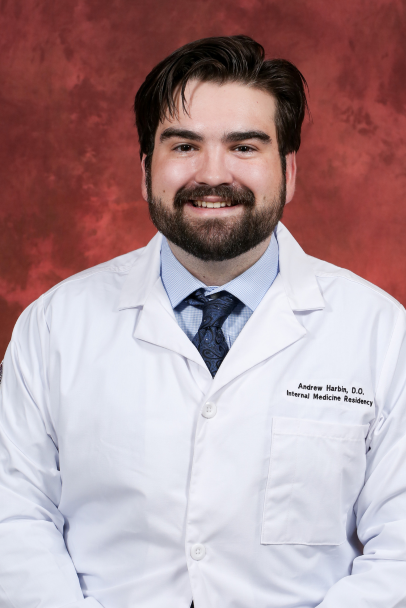
Dr. Harbin grew up in Tavares, Florida. His introduction to medicine came from a deep personal experience. His older sister was born with hydrocephalus and required extensive medical care throughout her life. Watching physicians and nurses support his family sparked a lasting interest.
“I was always fascinated by the people who helped her,” Dr. Harbin said. “That’s what really started my love of medicine.”
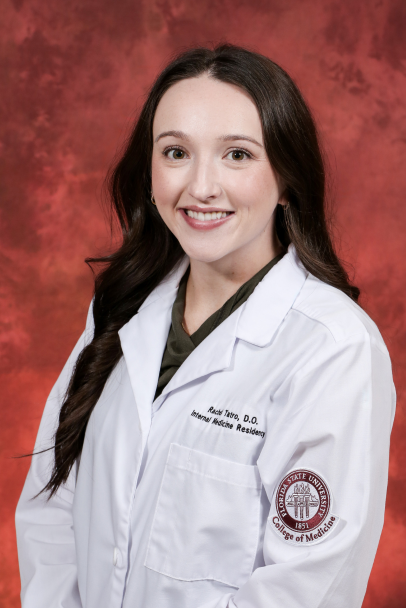
Dr. Tatro’s journey began in a small town on Florida’s east coast after being born in Chicago. Initially, she considered a career in education like her mother. While studying neuroscience at Florida State University, she realized she was drawn to the science of disease and its impact on patients.
“I realized I wanted to be the doctor guiding patients through sickness and health,” Dr. Tatro said. “I wanted to be a leader in a patient’s care.”
Both residents followed nontraditional paths that helped shape their approach to medicine.
 Dr. Harbin was a scholarship musician at the University of Alabama, earning degrees in jazz performance and biology before completing a master’s program and medical school.
Dr. Tatro participated in USSTRIDE, a Florida State University College of Medicine outreach program that provides mentorship and hands-on clinical experience while strengthening ties to the Big Bend region. The experience reinforced her desire to serve communities in North Florida, where the need for physicians remains high.
Finding the Right Residency Program
Choosing an internal medicine residency program is one of the most significant decisions in a physician’s career. For both residents, TMH stood out for its clinical training, collaborative culture and commitment to graduate medical education.
As a large regional referral center serving North Florida and South Georgia, Tallahassee Memorial HealthCare offers residents exposure to a diverse patient population and complex medical cases.
Dr. Harbin said he immediately noticed the supportive culture.
“From my interview, I had a strong impression of an open, friendly environment focused on developing us as physicians,” Dr. Harbin said. “Once I started, I was surprised by how much that friendliness showed up in our day-to-day work.”
For Dr. Tatro, the decision came down to instinct.
“I’m a firm believer in gut feelings,” Dr. Tatro said. “When I left my interview and second look, I knew this was where I was meant to be.”
Both describe the FSU/TMH Internal Medicine Residency Program as collaborative and invested in resident growth — from clinical skill development and research opportunities to long-term career planning.
A Day in the Life of an Internal Medicine Resident
No two days in residency are identical. Each brings new challenges, clinical decisions and opportunities to learn.
Dr. Harbin begins most mornings reviewing patient charts and pre-rounding before team rounds.
“Rounds are where the decisions are made,” Dr. Harbin said. “That’s when you demonstrate that you truly know your patient and have a plan moving forward.”
Dr. Tatro’s schedule often includes a morning report, where residents discuss cases and learn from one another, followed by clinical responsibilities on her assigned rotation. Whether reviewing consults, collaborating with advanced practice providers or observing procedures, she said much of the learning happens through repetition and real-time application.
“The most rewarding part is seeing patients leave feeling better than when they arrived,” Dr. Tatro said.
Residency also comes with long hours and the weight of complex medical decision-making. Still, both residents say growth often comes through discomfort.
“You don’t really understand ‘growing pains’ until residency,” Dr. Tatro said. “Growth means admitting when you’re wrong and taking the time to correct it.”
Learning Beyond Diagnosis and Treatment
Both residents emphasized that practicing internal medicine extends beyond diagnostics and treatment plans.
Dr. Harbin recalled an intensive care unit experience that left a lasting impression — supporting a family after the loss of a loved one.
“Much of practicing medicine has little to do with putting in orders,” Dr. Harbin said. “It’s about being present, communicating clearly and providing support.”
He credits attending physicians and senior residents with modeling compassion, whether guiding difficult conversations or remaining present after a patient’s death.
Dr. Tatro said caring for patients during vulnerable moments has shaped her perspective.
“It’s not about being the best,” Dr. Tatro said. “It’s about making the best decisions for your patients.”
Looking Ahead
While their long-term goals differ, both residents share enthusiasm for the future.
Dr. Harbin hopes to pursue a career as an academic hospitalist, combining patient care with medical education.
“Attendings who teach stay sharp,” Dr. Harbin said. “I want to help improve healthcare at an institutional level and serve both patients and future providers.”
Dr. Tatro continues exploring her interests while taking on leadership roles within the residency program.
“My goal is to be the most competent, well-balanced physician I can be,” Dr. Tatro said. “Wherever that leads, I want to be prepared.”
Advice for Future Internal Medicine Residents
For medical students considering internal medicine residency, both physicians emphasize the importance of trusting yourself and the process.
“Internal medicine requires a commitment to constant learning,” Dr. Harbin said. “You have to accept that there’s always more to know.”
He also encourages applicants to focus on what they can control and find healthy ways to recharge.
Dr. Tatro advises students to trust their instincts during interviews.
“If you leave an interview feeling good, trust that feeling,” Dr. Tatro said. “Residency is hard, but the right environment makes all the difference.”
Balancing Residency and Life
Outside the hospital, both residents prioritize small moments that help them recharge — walking their dog, meeting co-interns for coffee or spending time with loved ones.
Together, Dr. Harbin and Dr. Tatro reflect the mission of the FSU Internal Medicine Residency Program at Tallahassee Memorial HealthCare: developing physicians who lead with empathy, collaborate with purpose and grow into confident, compassionate clinicians.
To learn more about the Florida State University College of Medicine Internal Medicine Residency Program at TMH and other graduate medical education programs, visit TMH.ORG/residency.