Stop the Sneeze: North Florida’s Seasonal Allergies and How to Treat Them
March 25, 2026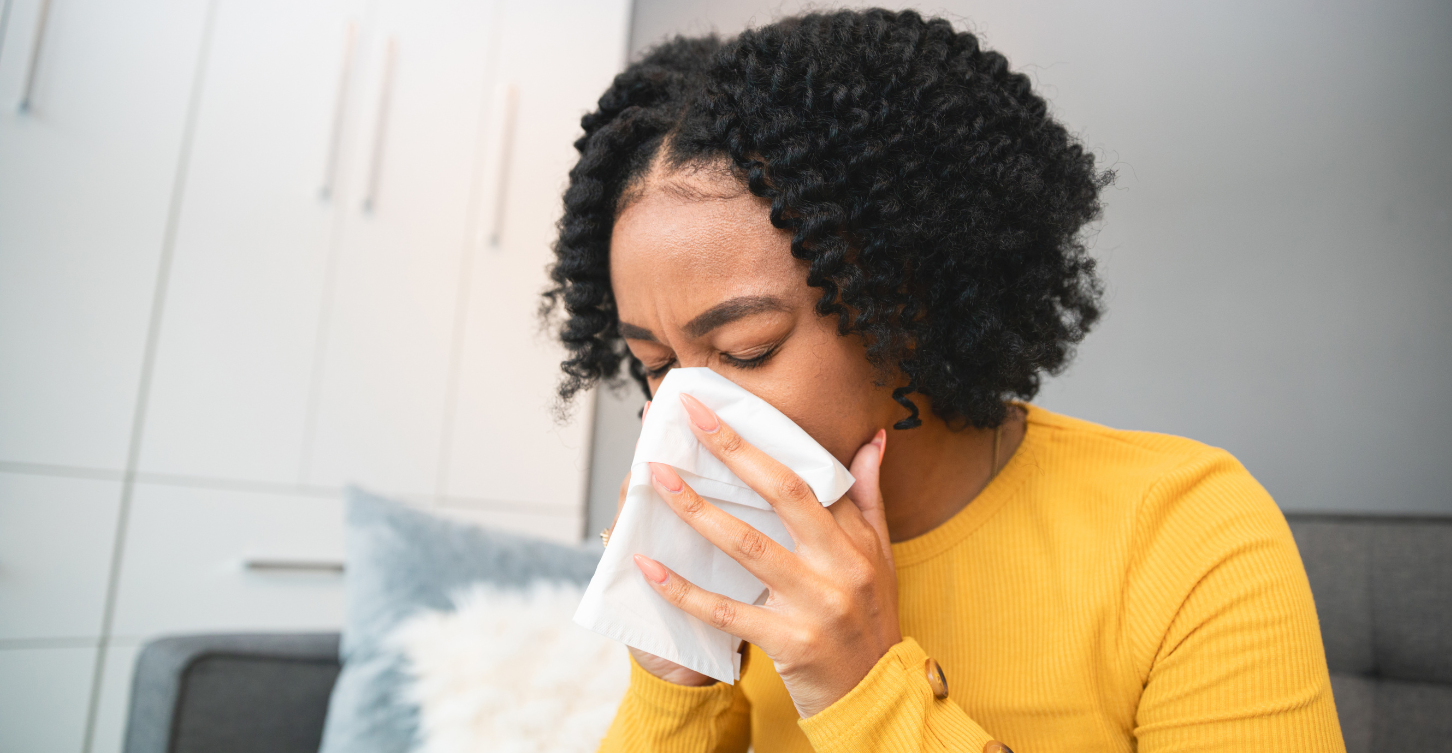
By: Tallahassee Memorial HealthCare
Categories: Healthy Living, TMH Physician Partners
Tags: Allergies
Spring has arrived and so have seasonal allergies in North Florida. Instead of reaching for tissues and staying indoors, take steps to manage your symptoms so allergies don’t disrupt your daily life.
Since North Florida does not have dry summers or freezing winters, many allergies can be year-round. However, spring brings the highest pollen levels, especially from grass, weeds and trees – the primary triggers of seasonal allergies.
Grass Allergies in North Florida
Grass allergies are extremely common. They occur when grass pollen becomes airborne and is easily inhaled. Unlike heavier flower pollen, grass pollen is lightweight and spreads quickly.
Grass pollen looks and feels adjacent to powder. It consists of microscopic spores released by grass to fertilize other plants.
Symptoms include:
- Nasal symptoms (runny nose, stuffiness or sneezing)
- Asthma symptoms
- Itchy, watery or red eyes
- Skin rashes (hives or skin welts)
You may not be allergic to every type of grass. In North Florida, the most common triggers include:
- Rye grass
- Southern grasses (Bahia, Bermuda, centipede, St. Augustine and zoysia)
Foods linked to grass allergies
Some people experience oral allergy symptom, a reaction to foods related to grass pollen. These include: peaches, melons, celery, oranges, tomatoes and white potatoes. A reaction is more likely to occur when these foods are consumed raw.
Ragweed Allergies
Dock, pigweed and marsh elder are common allergenic weeds in Florida, but ragweed is the most common in North Florida. One in five people in the US experience reactions to ragweed pollen.
A single ragweed plant can produce up to 1 billion pollen grains, with peak levels between 10 am - 3 pm. Warm, dry weather is the most conducive to ragweed pollen.
Symptoms are similar to grass, including:
- Watery and swollen eyes
- Runny nose and sneezing
- Itchy throat
- Coughing or wheezing
- Trouble breathing
- Skin rashes or hives
Foods linked to ragweed allergies
Foods that may trigger ragweed oral allergy syndrome contain ragweed pollen protein. These foods include:
- Bananas
- Watermelon
- Cantaloupes
- White potatoes
- Zucchinis
- Cucumbers
- Sunflower seeds
- Chamomile
- Artichokes
Ragweed allergies are more prone to occur in late summer into fall. Mid-September is the peak for this allergy.
Treatment for ragweed is similar to treatment for grass allergies.
Tree Pollen Allergies
Tree pollen is released in early spring, with some species releasing pollen as early as January and continuing through April. Tree pollen appears as fine, yellow dust that covers outdoor surfaces. This pollen is heavy and normally falls directly under or near the tree.
Common allergenic trees in North Florida are:
- Oak
- Hickory and pecan
- Ash
- Queen Palm
- Mango blossom
Symptoms and treatment options are similar to those for grass and ragweed allergies.
Seasonal Allergy Treatment Options
Managing seasonal allergies often involves a combination of medication and lifestyle changes.
Medications
- Antihistamines (over-the-counter or prescription):
Common antihistamines are cetirizine (Zyrtec) or fexofenadine (Allegra). These block histamine, a chemical released by the immune system during an allergic reaction.
- Nasal corticosteroid sprays:
Nasal sprays reduce inflammation and congestion. One example of a nasal corticosteroids is fluticasone (Flonase), and another spray is cromolyn sodium. For best results, start using these about two weeks before allergy season.
- Allergen immunotherapy:
Gradual exposure to allergens helps build tolerance. Types of this process include subcutaneous immunotherapy, commonly known as allergy shots, and sublingual immunotherapy, which is a small tablet that dissolves on your tongue.
- Leukotriene inhibitors:
These help control inflammation related to allergies.
- Decongestants:
Medications like pseudoephedrine (Sudafed) reduce nasal congestion. Combination options, such as loratadine-pseudoephedrine (Claritin-D) are also available.
- Eye drops:
Relieve itching, dryness and redness.
Lifestyle Tips to Reduce Allergy Symptoms
Simple daily habits can make a big difference during allergy season:
- Shower and change clothes after spending time outdoors
- Limit your outdoor exposure during peak pollen times
- Keep lawns and other grasses short
- Wear a mask when mowing the lawn
- Do not dry clothes outside
Find Allergy Relief at TMH
If seasonal allergies are interfering with your daily life, the primary care providers at TMH Physician Partners are here to help. Our experienced team can evaluate your symptoms, provide personalized treatment plans and connect you with specialists if needed.
Schedule an appointment with TMH Physician Partners - Primary Care today and take the first step toward lasting allergy relief.