Most people know the classic stroke signs — but not all strokes look that way. In fact, some of the most dangerous strokes present with subtle or unusual symptoms that are easy to dismiss.
Understanding the uncommon signs of stroke, especially the symptoms of a posterior circulation stroke, can save a life.
What is a Stroke?
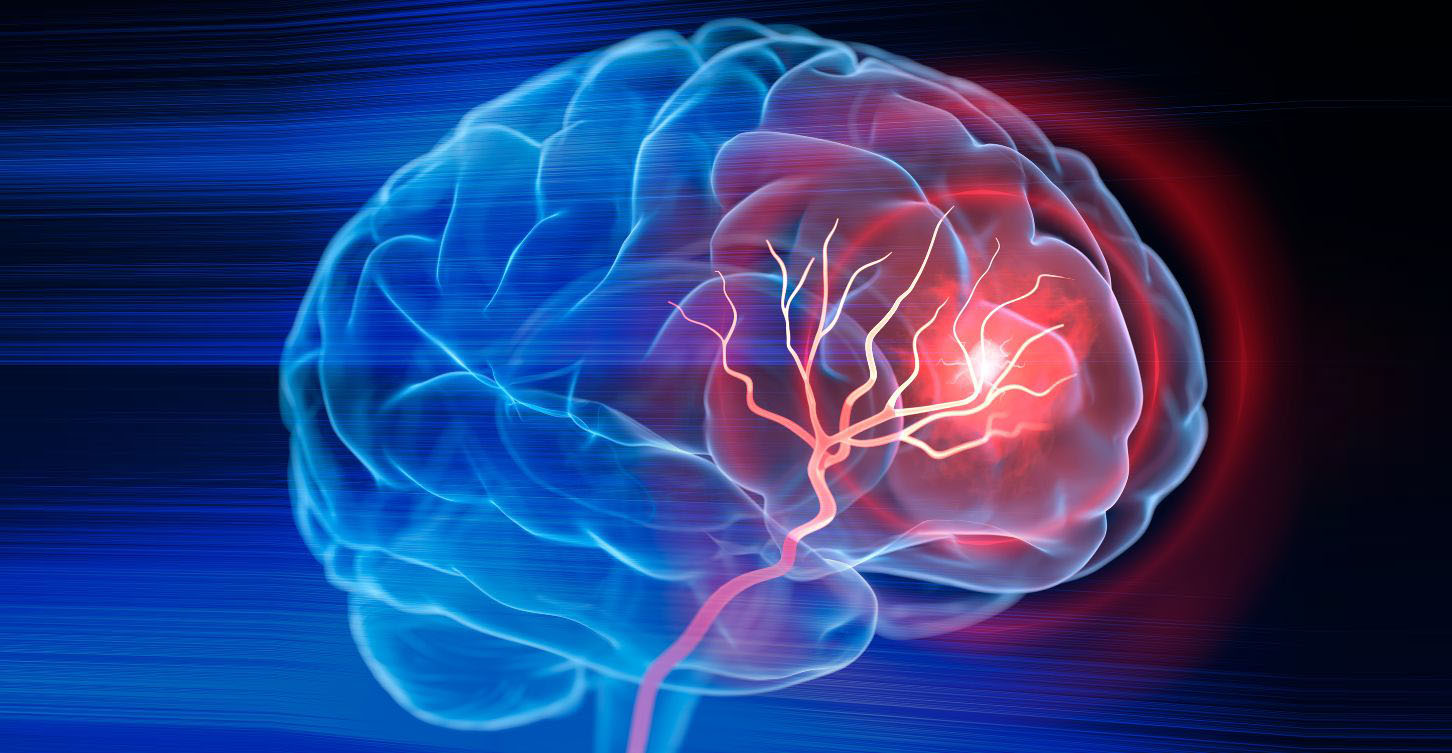
A stroke occurs when blood flow to part of the brain is interrupted.
There are two types of strokes: ischemic and hemorrhagic.
An ischemic stroke occurs when the blood supply to the brain is blocked or reduced, causing a lack of oxygen and nutrients to enter the brain. This results in brain cells dying, also known as an infarction.
A hemorrhagic stroke happens when a blood vessel in the brain leaks or ruptures, causing bleeding in or around the brain. The pressure from bleeding damages brain tissue.
Because brain cells begin dying within minutes, a stroke is a medical emergency. If you notice symptoms, call 9-1-1 immediately.
Common Stroke Symptoms: Remember BE FAST
The easiest way to recognize stroke symptoms is the BE FAST acronym:
- B – Balance: Sudden loss of balance or coordination
- E - Eyes: Blurred vision, double vision or sudden vision loss
- F - Face: One side of the face droops
- A – Arm: Arm weakness or numbness, especially if one arm drifts downward
- S – Speech: Slurred or difficult speech
- T – Time: Time to call 9-1-1
While BE FAST captures many strokes, not all strokes present this way – especially posterior strokes.
Posterior Circulation Strokes
A posterior circulation stroke occurs in the back part of the brain, which controls vision, balance, coordination and vital functions. These strokes may be ischemic or hemorrhagic.
Because this area of the brain affects balance and vision more than facial movement or arm strength, posterior stroke symptoms often look different from “classic” stroke signs.
Common posterior circulation stroke symptoms include:
- Vertigo (a spinning sensation)
- Nausea and vomiting
- Severe headache
- Double vision or sudden vision changes
- Difficulty speaking or slurred speech
- One-sided weakness in an arm or leg
- Loss of coordination or trouble walking
- Syncopal episodes, or brief lack of consciousness
Posterior strokes are sometimes misdiagnosed because dizziness and nausea are common complaints. However, when these symptoms appear suddenly, especially together, they require immediate medical attention.
If something feels suddenly and significantly “off,” call 9-1-1.
What is a mini stroke (TIA)?
A transient ischemic attack (TIA), often called a mini stroke, occurs when blood flow to the brain is temporarily blocked. Symptoms are the same as a stroke but resolve within minutes or hours.
Even though symptoms go away, a TIA is a serious warning sign.
About 1 in 3 people who experience a TIA will have a full stroke, and many of those occur within a year.
If you experience symptoms that come and go, even if they only last a few minutes, seek medical care immediately.
Advanced Stroke Care at Tallahassee Memorial HealthCare
Tallahassee Memorial HealthCare (TMH) is the region’s only Advanced Primary Stroke Center, recognized by The Joint Commission in 2025 for excellence in stroke care. Additionally, TMH is home to the region’s only neurology intensive care unit, the Vogter Neuro and Trauma Intensive Care Unit in the M.T. Mustian Center.
Our comprehensive stroke treatment program includes:
- Advanced diagnostic imaging
- Two on-site neurovascular labs
- Mechanical thrombectomy, a minimally invasive procedure that removes blood clots from the brain by inserting a catheter in the arm or leg, restoring blood flow for patients
- Specialized neurocritical care teams
When to Call 9-1-1 for Stroke
Call 9-1-1 immediately if you or someone near you experiences:
- Sudden dizziness with vision changes
- Sudden confusion or speech difficulty
- Sudden weakness or numbness
- A severe headache with no known cause
Do not wait to see if symptoms improve.
With stroke, time lost is brain lost.
How to Prevent a Stroke
Approximately 80% of strokes are preventable. Staying informed about risk factors and prevention strategies can significantly lower your risk of stroke.
Maintain a healthy lifestyle:
- Lose weight if necessary
- Exercise
- Control blood pressure, blood sugar and cholesterol
- Avoid smoking and limit alcohol
- Manage chronic conditions such as diabetes, heart disease, sleep apnea and atrial fibrillation with help from your healthcare provider
- Take medications as prescribed by your healthcare team
If you would like to learn more about stroke prevention or treatment options, contact your primary care physician. Regular follow-up with your primary care physician is key.