Understanding Coronary Artery Bypass Surgery
January 2, 2026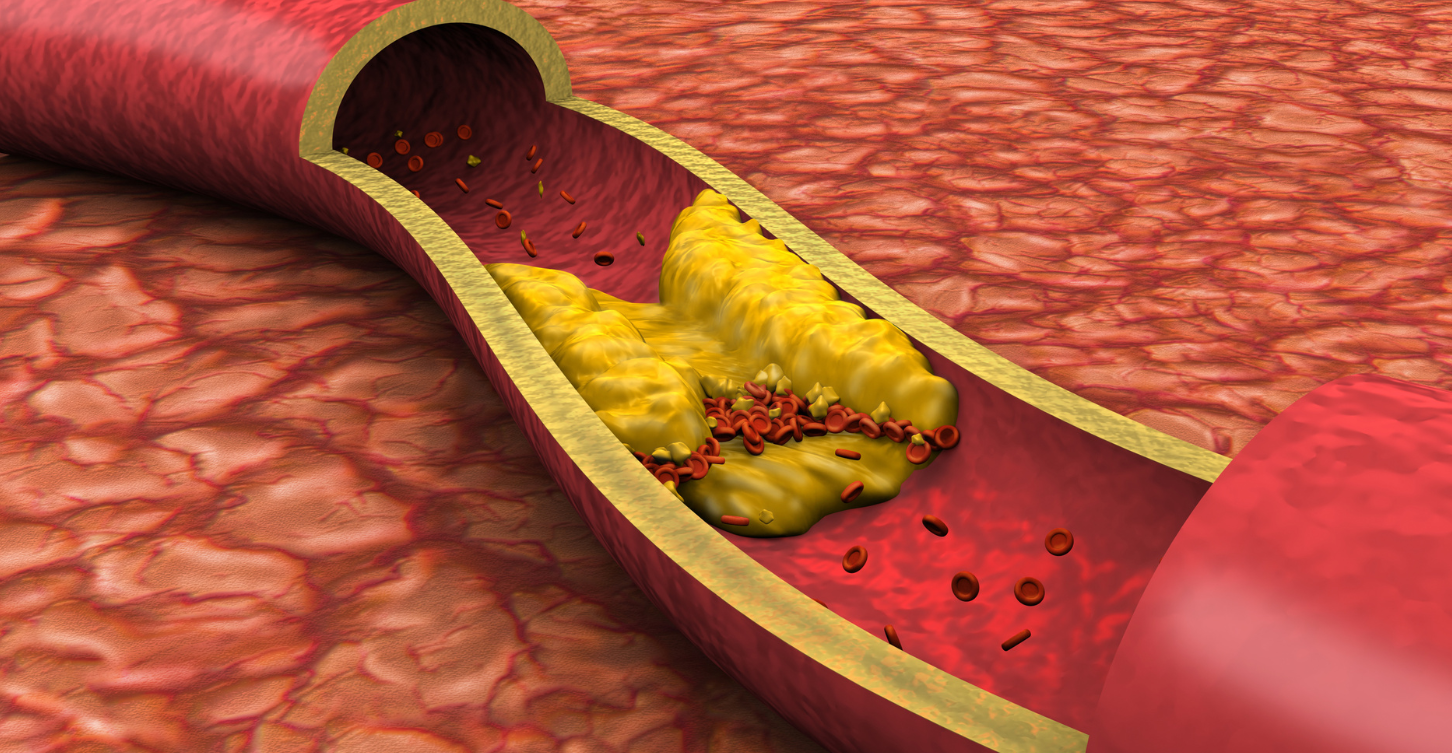
By: Tallahassee Memorial HealthCare
Categories: Heart & Vascular, Healthy Living, Surgery
Your coronary arteries are the main blood vessels for the heart, delivering oxygen-rich blood with every pump. When plaque builds up inside these arteries, blood flow becomes restricted and can cause a number of life-threatening problems. Tallahassee Memorial HealthCare is home to the most advanced cardiothoracic surgical team in the North Florida and South Georgia region, offering the latest minimally-invasive treatments in heart surgery.
Understanding Coronary Artery Disease
Coronary artery disease occurs when arteries become blocked due to a buildup of fats, cholesterol and other substances in the inner walls. This buildup is called plaque. Without treatment, plaque buildup can lead to coronary artery disease. Over time, the narrowing of the artery walls caused by plaque buildup restricts essential blood flow to the heart and can lead to chest pain, shortness of breath or even heart attack.
Common symptoms of coronary artery disease include:
- Chest pain
- Shortness of breath
- Fatigue
Coronary artery disease greatly increases your risk of a heart attack. Heart attack symptoms include:
- Pressure, pain or tightness in your chest
- Pain in the shoulder, arm, back, neck, jaw, teeth or upper stomach
- Cold sweats
- Fatigue
- Heartburn
- Nausea
- Shortness of beath
- Lightheadedness
Uncontrollable risk factors for coronary artery disease include age, family history and sex, with men being more prone to develop the condition.
Controllable risk factors include:
- Smoking
- Heavy alcohol use
- Obesity
- Diabetes
- High blood pressure
- High stress
- Too little or too much sleep
- High low-density lipoprotein (LDL) cholesterol or low high-density lipoprotein (HDL) cholesterol
Coronary artery disease is a progressive condition that may require medication or surgical intervention. A surgical treatment for severe, complex blockages is coronary artery bypass grafting (CABG), which creates a new pathway for blood to flow around the blocked artery.
What is Coronary Artery Bypass Grafting?
Coronary artery bypass grafting restores blood flow to the heart muscle by creating a new route for circulation. During the procedure, a surgeon uses a healthy vessel from another place in the body, like the chest wall, arms or legs, and attaches it beyond a blocked coronary artery. This allows blood to flow around the blockage and reach the heart through a new pathway.
CABG can relieve symptoms like chest pain, reduce the risk of future cardiac events and improve overall heart function. Tallahassee Memorial offers both traditional and minimally invasive coronary artery bypass grafting options.
During most CABG surgeries, a heart-lung machine temporarily circulates blood and oxygen, allowing the heart to remain still while the surgeon carefully places the new grafts. Once the grafts are complete, the heart returns to contracting and the incisions are closed.
Robot-Assisted CABG
TMH proudly offers robotic cardiac surgery for qualified patients. Using the da Vinci Surgical Systems, our surgeon operates through small incisions between your ribs, avoiding the need to divide the breastbone.
Robot-assisted CABG procedures typically have a shorter, less painful recovery than traditional bypass surgery.
TMH is accredited by the Surgical Review Corporation as a Center of Excellence in Robotic Surgery, meaning our facility meets rigorous national safety and quality standards.
Traditional CABG Procedure
A traditional, open-heart CABG surgery may be required based on different factors. A traditional CABG divides the breastbone to expose the heart. The recovery period typically lasts 6 to 12 weeks.
Post-Surgery Process
After surgery, patients recover in the intensive care unit at TMH’s state-of-the-art M.T. Mustian Center.
Patients who undergo a traditional CABG typically stay in the hospital up to a week. Those who have a robot-assisted procedure typically stay two to five days. Patients treated following a cardiac event may require a longer stay.
Full recovery takes several weeks depending on the type of procedure and includes avoiding activities that stress the heart or incisions. Your provider will give specific guidance based on your health and procedure type.
TMH offers a Cardiac Rehabilitation Program to help strengthen your heart and support long-term recovery. Your care team will develop an individualized plan that may include exercise, nutrition counseling and stress management.
Lifestyle changes are important. Avoiding behaviors that contribute to plaque buildup will help protect your heart.
Start Your Heart Health Journey
Surgery can be stressful, but our experienced team at TMH Physician Partners – Cardiothoracic Surgery is committed to helping you feel informed and confident every step of the way. To learn more about how we care for your heart, visit TMH.ORG/Heart.