You wouldn’t ignore your check engine light. Why ignore your colorectal health?
March 10, 2026
Categories: Healthy Living, Colorectal Disease, Cancer
Most of us don’t need convincing to act when something is clearly wrong.
When a check engine light comes on, we take the car to a mechanic. When a smoke detector chirps, we change the batteries. When a phone battery hits 1%, we scramble for a charger. These signals demand action because we know what happens if we ignore them.
But when it comes to colorectal health, many people do exactly the opposite.
Colorectal cancer is one of the most treatable cancers when caught early. Yet it remains a leading cause of cancer-related deaths in the United States, in part because people delay screening or dismiss symptoms that deserve attention.
From my perspective as a colorectal surgeon at Tallahassee Memorial HealthCare (TMH), one of the challenging realities of colorectal cancer is this: The disease is often asymptomatic early on, making the disease harder to detect and screening essential for those with average risk. Yet when warning signs do appear, they are sometimes ignored, and people may wait until the disease has progressed. This makes it critical to seek care at the first sign of symptoms and to stay current with recommended screenings.
In recent years, national guidelines have lowered the recommended age for average-risk colorectal cancer screening from 50 to 45. That change reflects a troubling trend — colorectal cancer is increasing among younger adults. But awareness has lagged behind the science. Many people in their mid-40s don’t realize they’re already overdue for screening, while others assume they can put it off because they feel healthy.
Unlike a check engine light, a chirping smoke detector or a low-battery notification on your phone, colorectal cancer doesn’t always announce itself loudly at first.
Early symptoms can be subtle or intermittent: changes in bowel habits, blood in the stool, persistent abdominal discomfort, unexplained fatigue. Individually, these signs are easy to rationalize away. Together — or when they don’t resolve — they should not be ignored.
Discomfort and embarrassment around bowel health only add to the problem. Too often, people delay conversations with their doctors because the topic feels awkward. But silence doesn’t reduce risk. It increases it.
The irony is that screening itself is far less daunting than many people imagine. Colonoscopy, the most comprehensive screening tool, allows physicians to detect and remove precancerous polyps before they ever become cancer. It’s performed under sedation, typically takes less than an hour, and for most people with normal results, isn’t needed again for 10 years. Other screening options are also available, depending on individual risk factors.
What matters most is not which test someone chooses, but that they choose to get screened.
Early detection saves lives. It reduces the need for aggressive treatment. And in many cases, it prevents cancer altogether.
I urge you to treat colorectal health with the same urgency as any other warning signal. If you’re 45 or older, talk to your doctor about screening. If you’re younger and experiencing symptoms that don’t feel right, don’t dismiss them. Advocate for yourself.
You wouldn’t ignore a check engine light until the car breaks down. There’s no reason to ignore your colorectal health until it becomes an emergency.
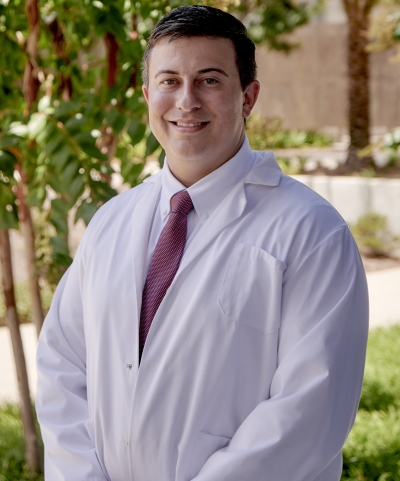
Dr. Jarrod Robertson is a fellowship-trained colorectal surgeon with TMH Physician Partners – General Surgery and leads the multidisciplinary GI Cancer Conference at the Tallahassee Memorial Cancer Center, where patients can receive a customized care plan from multiple specialists for cancers of the lower gastrointestinal tract.